

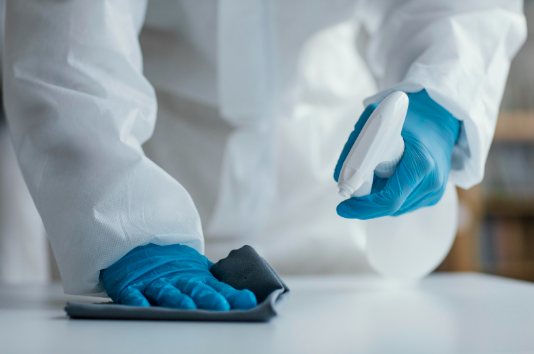
Germ build-up is a hidden risk in workplaces, homes, and shared facilities. It starts small—on keyboards, doorknobs, and pantry counters—and quickly spreads, reducing indoor air quality and increasing the likelihood of illness. Surface-level cleaning is rarely enough to address the problem. To maintain true hygiene, your strategy must go deeper. Here’s how to avoid germ accumulation and build a long-lasting hygiene plan that protects people and improves overall cleanliness.
1. Identify High-Risk Contact Points
The first step is understanding where bacteria and viruses thrive. High-touch surfaces include switches, handles, shared devices, and communal appliances. These areas require more frequent cleaning, as they serve as transmission points for pathogens. Conduct a walkthrough of your space to list every frequently used surface. Once identified, prioritise them during every cleaning session to reduce microbial load and keep hygiene standards consistent.
2. Use Approved Disinfectants with Proper Dwell Time
Disinfecting isn’t just about spraying and wiping. Every product has a specific dwell time—the duration it must remain wet on a surface to be effective. Rushing this step renders disinfection incomplete. Choose approved disinfectants with proven efficacy against bacteria and viruses. Follow application instructions closely and allow the product to work before wiping away residue. Many providers of disinfection services in Singapore are trained in product handling and can assist in product selection and proper usage.
3. Implement a Cleaning Schedule Based on Usage Patterns
Spaces in frequent use need more than daily cleaning. Bathrooms, meeting rooms, and kitchens should follow hourly or session-based cleaning depending on traffic. Workstations and equipment should be cleaned at the start and end of the day. Infrequently used spaces still require weekly maintenance to prevent dust and germ build-up. Structured scheduling ensures no area is neglected and creates predictability in hygiene management. Many businesses engage a cleaning company in Singapore to help maintain consistent routines.
4. Combine Cleaning With Periodic Deep Disinfection
Routine cleaning removes visible dirt, but deep disinfection reaches the microbial level. This includes treating hidden surfaces, ceilings, air vents, and under furniture. Incorporating periodic deep disinfection—monthly or quarterly depending on setting—controls bacterial growth in overlooked areas. In Singapore, regular deep cleaning is recommended for offices, clinics, childcare centres, and gyms to reduce the risk of illness. Services specialising in disinfection services in Singapore provide equipment and trained personnel to handle this level of sanitisation safely and effectively.
5. Avoid Cross-Contamination Through Proper Equipment Use
Using the same cloth across multiple surfaces or rooms spreads germs rather than removing them. Assign specific cleaning tools to each area—e.g., one set for washrooms, another for kitchens. Use colour-coded cloths and mops to prevent mix-ups. Dispose of single-use materials after each session, and clean reusable ones with high-temperature washing. Clear equipment protocols reduce cross-contamination and make cleaning efforts more impactful.
6. Educate Occupants on Basic Hygiene Practices
Cleaning teams can’t manage hygiene alone. The people using the space must play their part. Promote simple hygiene behaviours like regular hand washing, desk sanitation, and responsible waste disposal. Provide sanitising wipes and hand rubs in visible, accessible spots. Display reminders in shared areas to reinforce good habits. When everyone contributes, hygiene becomes part of the culture, not just a task.
7. Work With a Professional Cleaning Partner
Even the best internal routines benefit from expert support. A licensed cleaning company in Singapore offers experience, equipment, and reliability that internal teams may lack. Professional cleaners know how to work in sensitive environments, adhere to health guidelines, and deliver measurable results. Whether for ongoing upkeep or scheduled disinfection, their support helps prevent lapses and reinforces hygiene across your space. Collaborating with external specialists ensures your strategy adapts to changing needs and complies with safety standards.
Build Hygiene Through Consistency and Expertise
Germ build-up thrives in areas where cleaning is inconsistent or improperly performed. To protect health and improve working or living conditions, your hygiene strategy must go beyond visible dirt. By identifying risk points, using the right products, and following a structured cleaning schedule, you eliminate the conditions germs need to thrive.
Engaging professional cleaning services in Singapore adds a layer of precision, safety, and compliance to your plan. When hygiene becomes routine rather than reactive, you create an environment that supports productivity, well-being, and trust.
Strengthen your hygiene strategy today—contact Lifeline Cleaning for expert disinfection services.