

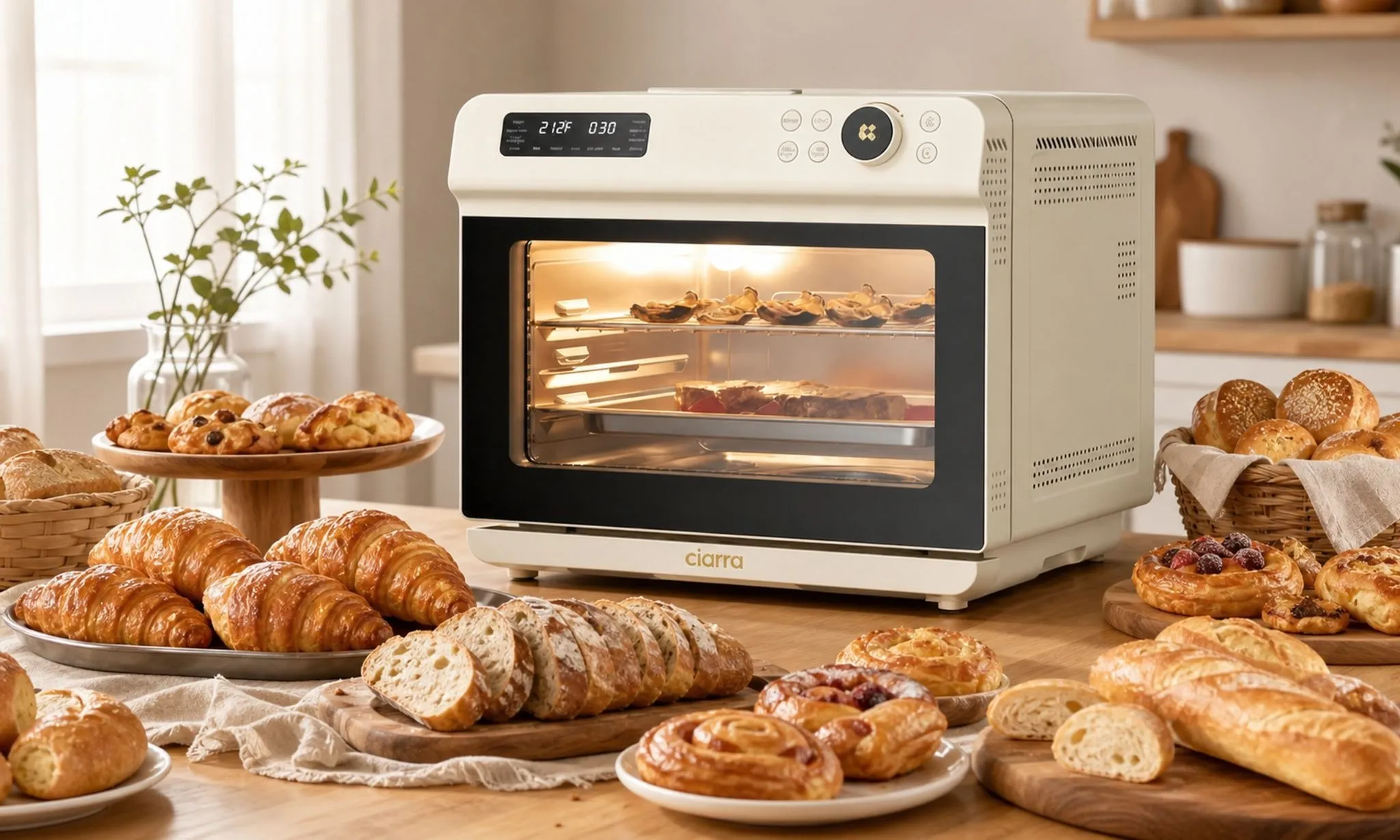
Modern kitchens are changing, and convenience has become just as important as performance. People want appliances that save time, simplify meal preparation, and deliver delicious results without taking up too much space. That is where countertop ovens make a real difference. These versatile appliances bring impressive cooking capabilities to the kitchen while offering a practical alternative to traditional full-size ovens.
Whether you live in a small apartment, prepare quick meals for your family, or enjoy experimenting with new recipes, a countertop oven can become one of the most useful appliances in your home. From crispy roasted vegetables and golden-brown toast to freshly baked cookies and perfectly reheated leftovers, it offers a surprisingly wide range of possibilities.
With thoughtful features, flexible cooking settings, and compact designs, countertop ovens help transform ordinary cooking routines into enjoyable experiences. They combine convenience and versatility, making it easier to prepare satisfying meals without turning your kitchen into a crowded workspace.
What Makes Countertop Ovens Worth Considering?
The appeal of countertop ovens goes beyond their smaller size. Unlike conventional ovens that may require significant preheating and energy to warm a large interior, many countertop models heat up quickly and are well suited to smaller portions. This can make them especially convenient when preparing breakfast, lunch, snacks, or dinner for one or two people.
Their versatility is another major advantage. Depending on the model, a single appliance may offer baking, broiling, toasting, roasting, reheating, and air-frying functions. Instead of switching between multiple kitchen gadgets, you can complete several cooking tasks using one compact machine.
Imagine preparing crispy potatoes for lunch, baking a small batch of muffins in the afternoon, and warming up a slice of pizza in the evening. A capable countertop oven can handle all these tasks with minimal effort.
For busy households, this flexibility means fewer complicated cooking steps and more opportunities to enjoy homemade food.
Space-Saving Convenience for Modern Homes
Kitchen space is valuable, particularly in apartments, studio homes, dormitories, and smaller houses. A traditional oven can occupy considerable room within a kitchen layout, while countertop ovens provide a more compact solution for everyday cooking.
Their convenient footprint allows them to sit on a suitable countertop, provided there is enough clearance around the appliance for safe operation and ventilation. Some models are also lightweight enough to move when necessary, although larger versions may be better left in one place.
A smaller appliance can also help reduce kitchen clutter when it replaces several single-purpose devices. For example, a multifunctional oven might eliminate the need for a separate toaster or air fryer, depending on your cooking preferences.
However, choosing the right size matters. Before purchasing, measure your available counter space and consider where the oven door will open. Check the manufacturer’s clearance requirements and ensure the electrical outlet can safely support the appliance.
A compact design is most useful when it fits naturally into your kitchen without creating new inconveniences.
Explore Different Cooking Functions
One of the most attractive features of countertop ovens is their ability to support different cooking styles. While basic models focus on toasting and baking, advanced options may include digital controls, convection fans, air-frying modes, and preset cooking programs.
Baking for Everyday Treats
Countertop ovens can be excellent for preparing smaller batches of baked goods. Cookies, brownies, biscuits, cupcakes, and personal-size cakes are all possible when the appliance offers suitable temperature control and sufficient interior space.
For better results, use cookware that fits comfortably inside the oven and follow the manufacturer’s guidance on rack placement. Because compact ovens can have different heat patterns from conventional ovens, you may need to adjust cooking times or rotate a tray when the recipe allows.
Roasting Vegetables and Proteins
Roasting brings out the natural sweetness of vegetables while creating appealing golden edges. Carrots, potatoes, peppers, zucchini, and cauliflower can all become delicious side dishes in a countertop oven.
Depending on its capacity, your appliance may also accommodate chicken portions, fish fillets, or other small protein servings. Season the ingredients, arrange them with enough room for heat circulation, and monitor the cooking process to avoid overbrowning.
Toasting and Reheating
A countertop oven is also useful for quick everyday tasks. It can toast bread, warm pastries, refresh pizza, and reheat leftovers without requiring a large oven.
Reheating suitable foods in a small oven can help restore crispness that might be lost in a microwave. The best method depends on the food, its moisture content, and the settings available on your appliance.
Air Frying and Convection Cooking
Some countertop ovens include convection fans that circulate hot air throughout the cooking chamber. This can encourage more even browning and help reduce cooking times for certain recipes.
Models with dedicated air-fry settings may also produce crisp textures using less oil than traditional deep-frying methods. Results vary by appliance, so capacity, airflow design, and temperature control are important considerations.
Energy Efficiency and Faster Meal Preparation
Energy use is an important consideration for households trying to manage everyday expenses. Because countertop ovens generally have smaller cooking chambers than full-size ovens, they may use less electricity for small meals, particularly when they preheat quickly and do not require long cooking sessions.
However, actual energy consumption depends on the appliance’s wattage, cooking duration, temperature, food quantity, and efficiency. A countertop model is not automatically more economical for every recipe, especially when preparing large quantities that require several batches.
To make a practical comparison, check the appliance’s wattage and estimate how long you expect to use it. For smaller meals, a compact oven may be a sensible choice. For large family gatherings or oversized dishes, a conventional oven might remain more convenient.
The goal is to select an appliance that matches your normal cooking habits rather than choosing one based on size alone.
How to Choose the Right Countertop Oven
With so many models available, selecting the right appliance starts with understanding your needs. A little research can help you avoid paying for features you will rarely use.
1. Consider the cooking capacity. Think about the number of people you usually cook for. A compact model may suit individuals and couples, while families may benefit from a larger interior that accommodates bigger dishes.
2. Check temperature control. Adjustable temperatures and reliable controls make it easier to follow recipes. Digital displays can provide additional convenience, although straightforward manual controls may be perfectly suitable.
3. Look for useful cooking modes. Decide whether you need basic baking and toasting or prefer extra functions such as convection cooking, roasting, and air frying.
4. Evaluate cleaning requirements. Removable crumb trays, accessible interiors, and dishwasher-safe accessories, where permitted by the manufacturer, can simplify maintenance.
5. Review safety features. Heat-resistant handles, stable feet, automatic shutoff, and clear operating instructions can improve everyday usability. Always follow the recommended ventilation and clearance requirements.
6. Compare the overall value. Consider the purchase price, expected frequency of use, available warranty, replacement accessories, and energy consumption. A model that meets your daily needs may offer better value than an expensive appliance packed with unnecessary features.
Practical Tips for Better Cooking Results
Getting excellent results from a countertop oven does not require professional cooking skills. A few simple habits can make a noticeable difference.
Start by preheating the appliance when the recipe or manufacturer recommends it. This helps establish a suitable cooking temperature before food goes inside. Use the recommended rack position and avoid overcrowding the cooking chamber, since restricted airflow can lead to uneven browning.
Keep an eye on food during the final minutes of cooking, particularly when trying a new recipe. Compact ovens may brown food more quickly than expected, and individual models can behave differently.
Choose oven-safe cookware that fits the interior comfortably. Avoid placing materials inside the oven unless they are specifically suitable for the appliance’s temperature and cooking mode.
Cleaning also deserves regular attention. Remove crumbs once the oven has cooled, wipe away food splashes as directed, and clean accessories according to the manufacturer’s instructions. Keeping the appliance clean supports better performance and reduces the risk of smoke caused by accumulated grease.
Most importantly, experiment gradually. Once you understand how your oven heats and cooks, adjusting recipes becomes much easier.
Countertop Ovens and a More Organized Kitchen
A well-planned kitchen is not necessarily the one with the most appliances. It is the one where every item serves a useful purpose. Countertop ovens can support this approach by combining multiple cooking functions in one convenient location.
Instead of keeping several bulky devices on the counter, you may be able to choose a multifunctional model that handles your most common cooking tasks. This can free up valuable workspace for chopping ingredients, preparing drinks, or serving meals.
The right appliance can also encourage more home cooking. When preparing a quick snack or a simple dinner feels manageable, it becomes easier to rely on fresh ingredients and explore new recipes. Even small changes to your cooking routine can make the kitchen feel more functional and enjoyable.
Before buying, think about your usual meals, available storage, and preferred cooking methods. These practical details will help you find a model that complements your lifestyle.
Conclusion: A Small Appliance With Big Everyday Benefits
Choosing the right countertop ovens can make daily cooking more flexible, convenient, and enjoyable. From baking homemade treats to roasting vegetables and reheating leftovers, these compact appliances offer useful performance without requiring the space of a full-size oven. By comparing capacity, cooking functions, temperature controls, cleaning features, and safety requirements, you can find a model that fits your household’s needs. A thoughtfully equipped kitchen can also benefit from complementary appliances, and pairing an efficient oven with a suitable range hood can help manage cooking fumes and airborne grease when preparing meals. Ultimately, the best kitchen upgrades are the ones that simplify everyday tasks, support your favorite recipes, and make preparing delicious food feel less like a chore and more like a pleasure.