

A home may look sound from the street, yet trouble can grow beneath it. Rain, melting snow, and wet soil can bring water close to the foundation. If that water stays too long, wood may rot, mould may spread, and indoor air may smell stale. In Riverwoods and Naperville, homeowners should pay attention to damp patches, cold floors, and musty odours. These signs are easy to brush off at first. Still, early action can help prevent larger repairs and keep a home in better shape.
What Damp Soil Can Do
Water needs a way to drain away from a house. When it cannot, it may pool under the floor or seep through small gaps in the foundation. Timber supports can weaken when they stay wet, while metal parts may rust over time. Damp air can also move into living spaces and make rooms feel less comfortable. A fresh coat of paint will not solve the cause. The key is to find where the water enters, how it moves, and why it fails to leave.
Spot The Clues Early
Some warning signs are easy to miss. Look for water marks on concrete, soft timber, peeling paint, or a smell that returns after cleaning. Check the ground outside after heavy rain. Puddles near the walls may point to poor drainage, while blocked gutters can send water straight down beside the house. Even a small leak deserves a closer look if it keeps coming back. A careful check helps homeowners choose the right fix instead of spending money on work that only hides the visible damage.
Repairs That Make A Difference
Every home has its own needs, so repairs should begin with a proper inspection. Crawlspace repair services Riverwoods may help address standing water, damaged moisture barriers, poor drainage, or worn timber supports. Some homes need a sump pump to move water out. Others may need drainage changes or gaps sealed to limit damp air. The best plan depends on the source and scale of the problem. Fixing the cause can help protect the floor above and reduce the chance of the same issue returning.
Dry Space Starts Here
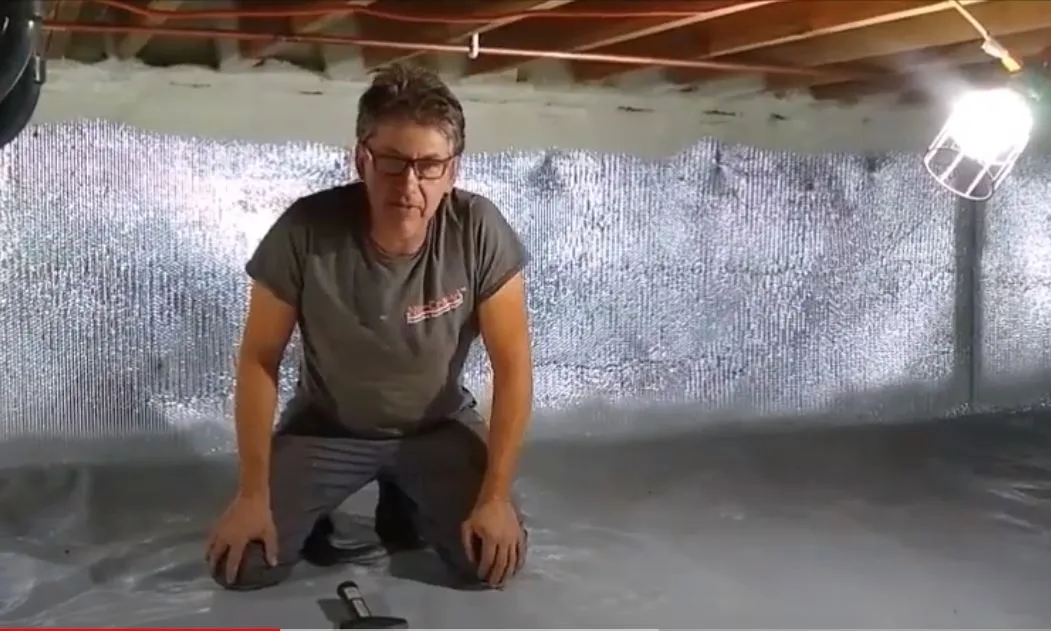
Keeping ground moisture out takes more than a quick patch. Crawlspace encapsulation in Naperville can involve laying a strong barrier over exposed soil, sealing suitable openings, and controlling damp air. Depending on the home, a dehumidifier or added insulation may also help. The goal is to create a cleaner, drier space that is easier to maintain. Careful fitting is important because open seams or loose edges can let moisture back in. A tailored approach gives the home a better chance of staying dry through changing seasons.
Give Rainwater Somewhere Else
Good drainage begins outside. Clear leaves from gutters, check downpipes, and make sure they carry water away from the foundation. The soil beside the house should slope away where possible, not towards the walls. Keep garden beds and mulch below siding, and watch for puddles that linger after a storm. These small jobs can make a real difference. They will not repair serious leaks, but they can lower the amount of water reaching the foundation and support other moisture control work.
Conclusion
A strong foundation needs care from both inside and out. Watch for damp smells, wet marks, soft wood, and water that gathers near the house. Deal with these signs before they grow into bigger concerns. Keep gutters clear and direct rain away from the walls. If moisture keeps returning, arrange a full inspection to find its source. The right repairs can help protect the home, support indoor comfort, and reduce the risk of costly damage in the years ahead.