

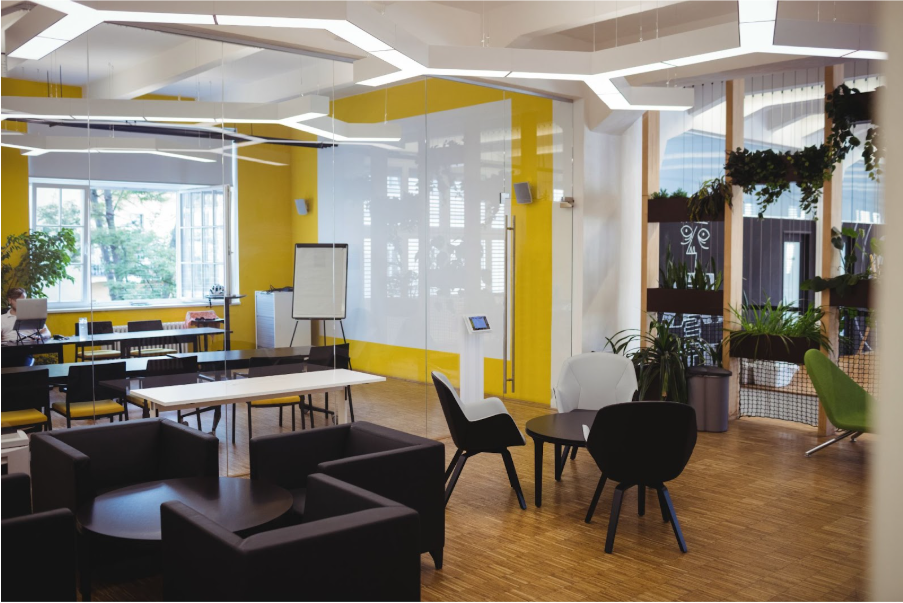
In a city celebrated for innovation and polished skylines, every office space in Singapore is a work of functional beauty. Many workspaces struggle with awkward layouts, dated aesthetics, and productivity-draining setups. Many businesses don’t even know they have a problem. Knowing the basics of interior design in Singapore style and what to avoid is essential. Let’s clear up the confusion, bust some myths, and help you design like a pro.
What Everyone Gets Wrong About Commercial Design
Commercial interior design isn’t just picking a colour palette and calling it a day. One of the biggest misconceptions is that interior design for office spaces is all about visuals. While it’s true that a sleek reception area can leave a good first impression, the design goes far deeper.
Office layouts should improve workflow, reduce distractions, and enhance employee well-being. In Singapore, where rental costs are steep and square footage is often tight, every inch matters. That’s why commercial interior design services are built on strategy. Designers often start by asking how a space is used, what employees struggle with, and where current pain points lie.
Another common question: “Can’t I just get a contractor?” While contractors are key in executing builds, they don’t handle the planning, spatial strategy, or user-centric logic that interior designers do.
What a Modern Singapore Office Needs
So what does good office design actually look like in 2025? The answer depends on your industry, team size, and how your business operates.
First, flexible zones are in. Teams need quiet zones, brainstorming corners, and areas to relax or take calls without disturbing others. Open-plan offices are still around, but they’ve been rethought to include soundproof booths, smart lighting, and breakout spaces.
Next up: wellness integration. Plants, natural light, soft textures, and biophilic design elements support focus and reduce fatigue. Many commercial interior design firms in Singapore are incorporating these details into their layouts as standard.
Finally, there’s brand alignment. From the way clients are greeted to the furniture choices and wall textures, every element contributes to your identity. Pulling all these threads together into something cohesive, useful, and futureproof.
How Design Can Make or Break Your Workday
Here’s something many don’t realise: interior design can save time. Yes, really.
Consider the daily frustration of navigating an inefficient office. If your team has to cross the entire floor just to print something, or finding a meeting room becomes a scavenger hunt, these minor inefficiencies can amount to hours of wasted productivity.
Well-planned interior design for office spaces includes thought-out pathways, centralised resources, and clear zoning. Fewer interruptions, better communication, and happier employees who aren’t stuck battling their environment.
Decisions like desk placement, lighting angles, and wall acoustics can shape how well people work. That’s why leading commercial interior design services is a productivity tool hiding in plain sight.
The Open-Plan Era’s Biggest Flaws
Let’s take a moment to talk about open-plan offices. Once hailed as the modern design revolution, open layouts were meant to inspire collaboration, flatten hierarchies, and maximise space.
The backlash was inevitable. Studies showed that instead of talking more, employees often wore noise-cancelling headphones or avoided sensitive conversations altogether. The open-plan model, as implemented, didn’t suit every task or every team.
Fast forward to today, and interior design Singapore-style has evolved. Open zones still exist, but they’re complemented by closed meeting pods, relaxation areas, and quiet booths.
Signs Your Office Might Be Due for a Redesign
If you’re not sure whether your space needs help, watch for these warning signs. First, high turnover or low morale can sometimes be traced back to the workspace. If people constantly complain about noise, seating, or lack of private spaces, the design may do more harm than good.
Second, look at how your team uses the space. Are meeting rooms always full or always empty? Are people camping in corridors because the breakout zone is uncomfortable? These are signs that your office design isn’t aligning with how people work.
Third, if your office hasn’t changed in years while your business has grown or shifted direction, the design may no longer reflect your goals. In Singapore, commercial interior design services are often the missing link between outdated habits and modern, efficient workplaces.
Don’t Let Bad Design Be Your Business Blind Spot
The right office environment works hard behind the scenes. In Singapore’s competitive business environment, space is an investment. Interior design is the tool that ensures you’re getting returns from every square metre. Getting help from experienced commercial interior design services could be the shift your team needs. So don’t wait until complaints pile up or productivity drops. Take a fresh look at your space.
After all, you wouldn’t run your business on outdated software, why run it in an outdated office? Consult with Hoft Interior today.