

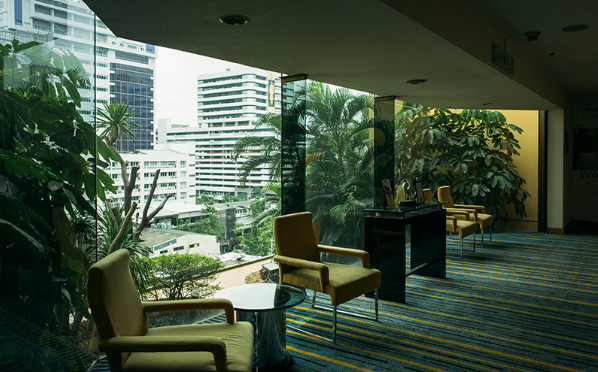
Singapore’s commercial spaces have undergone a serious glow-up in recent years. There’s been a shift in how businesses approach the workspace, and it goes far beyond what meets the eye. With strategic interior design services in Singapore becoming the norm rather than the exception, the modern office is transforming into a reflection of company culture, client expectations, and everyday efficiency. So what’s behind the scenes of these stylish new offices? And what exactly does a commercial interior design company in Singapore bring to the table beyond pretty walls and matching chairs?
Where Singapore’s Commercial Interiors Are Headed
As hybrid work models continue and flexibility becomes king, commercial interior trends are racing to keep up. One standout direction is resimercial design, a blend of residential comfort and commercial utility.
Think soft lighting, lounge-style meeting areas, and calming material palettes. It’s a response to the sterile, cubicle-filled offices of the past.
Businesses want their teams to feel welcome, inspired, and mentally well. Walls that move, rooms that serve multiple purposes, and furniture that stacks, hides, or transforms are no longer gimmicks.
Sustainability is gaining momentum too. Commercial clients are asking more questions about sourcing, waste reduction, and material lifespans. A forward-thinking commercial interior design company in Singapore is likely already integrating eco-conscious options into every proposal.
Smart tech integration is the other key player. Lighting that adjusts to the time of day, acoustic zoning, and sensor-based ventilation systems are becoming part of the design conversation from day one, not tacked on after.
What a Good Commercial Interior Designer Does
Many people imagine designers as mood board makers and sofa selectors. While that’s part of the fun, the work of a commercial interior designer is far more technical and strategic.
It begins with a deep dive into the business’s needs. A reputable interior design service in Singapore will want to understand how employees move through space, what kind of brand impression clients should walk away with, and how the space must evolve.
Then comes the planning phase. Developing spatial layouts that respect fire codes, lighting zones, and ergonomic principles. Designers prepare technical drawings, coordinate with contractors, and manage timelines.
Next comes project coordination. Good designers manage the build, address site issues, and adjust details. Some even handle furniture procurement and styling to ensure the space is turn-key ready.
In short: a commercial designer is part consultant, part architect, part project manager, and entirely indispensable when trying to balance creativity with functionality.
What to Avoid in Commercial Interior Projects
Rushing into renovation without a game plan is the number one mistake many businesses make. If you don’t take the time to clarify goals, budgets, and expectations, things can unravel fast.
A frequent misstep is underestimating how space will be used. A good commercial interior design company in Singapore will ask what works.
Another pitfall is ignoring acoustics. Open-plan offices might be trendy, but without sound management, they become noisy and stressful. Materials matter. Acoustic panels, carpet choices, and ceiling finishes can all make or break concentration.
Lastly, skipping future planning can cost you later. Will your team grow in the next two years? Will your services expand? Designs that don’t account for flexibility risk becoming obsolete long before your lease ends.
What Interior Designers Wish More Clients Knew
To understand the hidden wins and frustrations of commercial design, we gathered a few common insights experienced designers often wish their clients knew from day one.
“Design takes time for a reason.”
Quality design involves research, prototyping, and sourcing. Rushing the process can lead to costly mistakes, like ordering the wrong size of built-ins or selecting materials that don’t wear well.
“Function should drive aesthetics, not the other way around.”
An impressive feature wall is great, but not if it blocks natural light or limits flexibility. The best spaces balance beauty with behaviour.
“Budget transparency saves everyone stress.”
Designers can work magic at different budget levels, but only if you’re upfront. Playing it vague often leads to mismatched expectations and unnecessary revisions.
“Design is collaborative—not prescriptive.”
The most successful commercial spaces come from strong collaboration. Clients who share ideas, feedback, and trust tend to walk away more satisfied.
Design Smarter, Not Louder
In Singapore’s fast-paced business world, your physical space is your silent salesperson, cultural hub, and productivity tool. Engaging a skilled interior design service in Singapore is about designing smarter for your people and your purpose. A commercial interior design company in Singapore brings the experience, foresight, and creativity to help your space succeed. As design trends shift and expectations rise, one thing is certain: the future belongs to spaces that think ahead, function better, and feel at home even at work.